


What is Dysgraphia?
Helping children with dysgraphia begins with understanding what dysgraphia is and how it affects handwriting and written expression.
Many children with dysgraphia are bright and articulate. They may explain ideas clearly out loud but struggle to transfer those thoughts onto paper.
The British Dyslexia Association explains that dysgraphia is generally understood to involve difficulties with handwriting and written expression. Similarly, UK charity The Brain Charity describes dysgraphia as a neurological condition affecting writing abilities rather than overall intellectual ability.
Dysgraphia can affect:
- Handwriting legibility
- Letter formation
- Spacing
- Writing speed
- Spelling
- Organisation of ideas in writing
Importantly, dysgraphia is not linked to intelligence. Many pupils with dysgraphia have average or above-average cognitive ability.
Research published in Frontiers in Psychology shows that handwriting is closely connected to spelling, working memory and composition skills, reinforcing the importance of handwriting fluency in overall writing development.
Helping Children with Dysgraphia: Recognising the Signs
Many children have untidy handwriting at times. However, persistent patterns may suggest a deeper difficulty.
Common signs include:
- Avoiding writing tasks
- Complaining of hand pain or fatigue
- Extremely slow writing
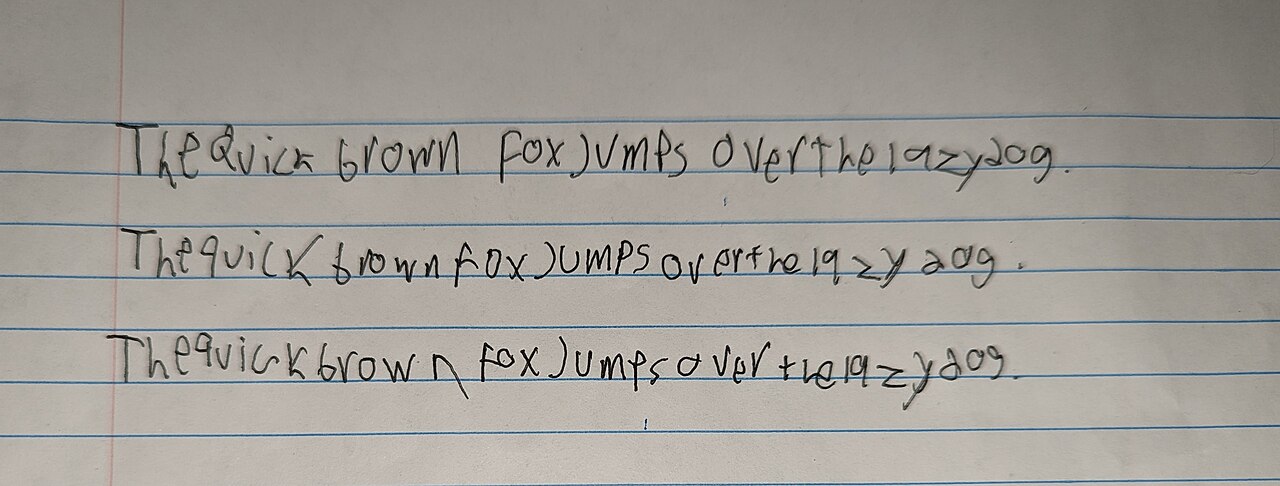
- Illegible or inconsistent letter formation
- Poor spacing between words
- Spelling that is weaker than reading ability
- Strong verbal skills but weak written output
In secondary school, dysgraphia often becomes more problematic. GCSE examinations in England are handwritten. If writing is slow or difficult to read, pupils may struggle to finish papers or fully demonstrate their knowledge under timed conditions.

Who Can Diagnose Dysgraphia?
A formal diagnosis of a specific learning difficulty is usually carried out by an Educational Psychologist.
In some cases, occupational therapists assess fine motor difficulties, particularly where handwriting challenges are linked to coordination or Developmental Coordination Disorder (DCD).
Schools may also provide SEN support without a formal diagnosis.
If you are concerned, speak to your child’s school SENCO as a first step.
Dysgraphia and Related Conditions
Dysgraphia is sometimes confused with other learning differences:
- Dyslexia primarily affects reading and phonological processing.
- Dyspraxia (Developmental Coordination Disorder – DCD) affects broader motor coordination.
- Dysgraphia specifically affects written expression and handwriting.
A pupil may experience more than one of these difficulties, so careful assessment is important.
Why Early Intervention Matters When Helping Children with Dysgraphia
Research consistently shows that early, structured handwriting instruction improves writing quality and fluency. A 2014 meta-analysis published in the Journal of Educational Psychology found that handwriting instruction positively impacts written composition.
Without support, pupils may:
- Avoid written tasks
- Lose confidence
- Underperform academically
- Develop anxiety around exams
By the time pupils reach secondary school, handwriting difficulties can significantly affect exam speed and stamina.
Handwriting should become automatic. When it is not automatic, working memory is overloaded, making composition and spelling harder.


Helping Children with Dysgraphia Through Structured Teaching
Children with dysgraphia benefit from:
1. Systematic Instruction
Explicit teaching of letter formation and spelling patterns.
2. Sequential Learning
Breaking handwriting into structured stages reduces cognitive overload.
3. Repetition and Motor Memory
Consistent, structured practice builds automaticity.
4. Reduced Cognitive Load
Teaching one clear concept at a time improves retention and confidence.

Why a Structured Programme Makes a Difference
Children with dysgraphia do not benefit from random handwriting sheets or copying exercises. They need:
- A consistent, joined-up handwriting style
- Clear modelling
- Logical progression
- Explicit spelling instruction
- Repetition without overwhelm
This is where a structured, evidence-informed handwriting programme becomes essential in improving fluency and confidence.
Helping Children with Dysgraphia Through Structured Handwriting Teaching
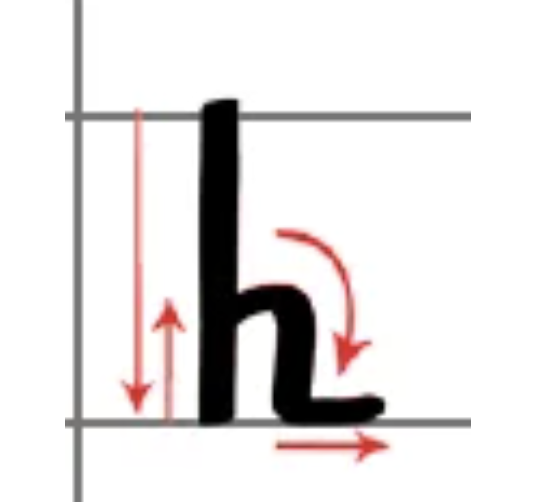
The Magic Link Handwriting Programme was designed specifically to reduce cognitive overload and improve fluency. The programme is structured to build automaticity gradually, allowing pupils to focus on ideas rather than the mechanics of writing.
It supports pupils with dysgraphia by:
• Teaching One Vowel at a Time
The colour-coded, sequential structure prevents overload and builds motor memory gradually.
• Linking Handwriting to Spelling Patterns
Research shows that handwriting and spelling are neurologically connected. Teaching them together strengthens retention.
• Building Automatic Joined-Up Writing
Joined handwriting reduces pen lifts and increases writing speed — particularly important for exams.
• Focusing on Confidence and Clarity
Children follow clear video modelling and structured worksheets, allowing success at each step.
Magic Link is suitable for pupils with:
- Dysgraphia
- Dyslexia
- Dyspraxia (DCD)
- ADHD
- Autism/ASD
You can explore:
Find a Qualified Magic Link Teacher Near You
Early support makes a significant difference, particularly before pupils reach examination years.

Frequently Asked Questions
Is dysgraphia the same as dyslexia?
No. Dysgraphia affects writing. Dyslexia primarily affects reading.
Can dysgraphia be cured?
It cannot be “cured”, but handwriting skills can improve significantly with structured teaching.
Is dysgraphia linked to intelligence?
No. Many pupils with dysgraphia are academically able but struggle with written output.
Will my child grow out of dysgraphia?
Handwriting rarely improves without explicit instruction. Early support makes a substantial difference.